Guide
Cold insole bonding: what it is and when to use it
Cold insole bonding means joining the insole without heating the adhesive or the material. It's the answer for temperature-sensitive materials and for lines that don't want to depend on heated presses — and it keeps the process solvent-free.
Published · 4 min read
What cold insole bonding is
Most adhesives need something to activate them: a solvent that evaporates, as with traditional shoe cement, or heat that melts them, as with hot melts. In cold insole bonding, the adhesive works without heat — it bonds with pressure, or with a system designed to deliver a structural bond at room temperature.
The term distinguishes it from hot melt insole bonding, where the adhesive is melted with heat, and from traditional bonding with solvent-based cement. In practice it covers two different needs: quick, clean bonding of comfort insoles, and structural bonds on parts that can't be heated.
Kyotex offers two cold bonding technologies, and both are solvent-free.
Two ways to bond insoles cold
Pressure-sensitive insole adhesive tape (K System)
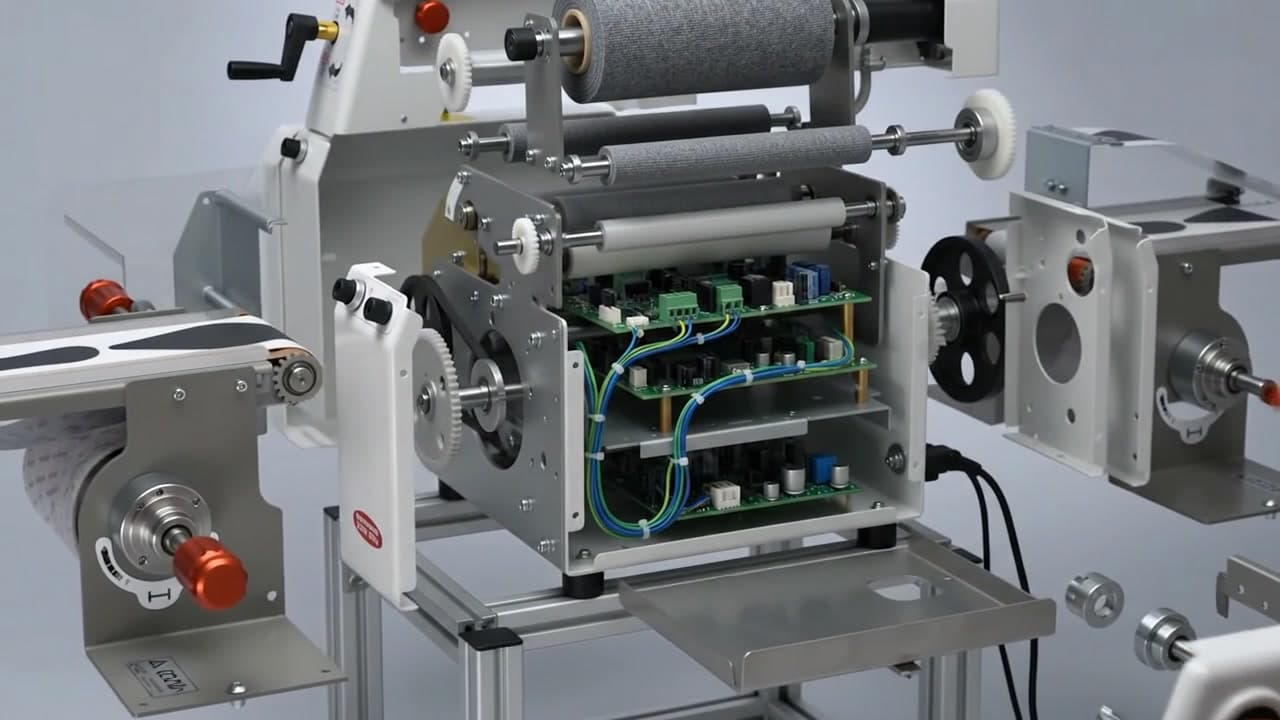
K System pressure-sensitive adhesives are solid, work cold and bond when pressed. The tape is applied to the material with machines such as the KYO100S or KYO101; at the bonding station, operators just place and press. It's the most direct option when the insole needs a clean, immediate bond.
Cold structural bonding (K Next)
K Next was created for products that need hot melt strength but can't be heated. ALC began producing it in 2024 and introduced it as a polyurethane-based adhesive tape for structural bonding, built for high-output production cells. It's the newest Kyotex line, and the option when a part needs hot melt strength but can't take heat.
What a cold insole station looks like
On a line running PSA tape, the work happens in two moments. First, the tape is applied to the material with an application machine, evenly and aligned. Then, at the insole station, the operator peels the liner, places the insole and presses.
There's nothing to dry and no press to heat up, and the station stays free of brushes, pots and fumes. That's why cold insole bonding usually means a cleaner station, too.
Why avoid heat
Heat isn't always a problem, but there are good reasons to avoid it:
- Temperature-sensitive materials. Some foams, synthetics and finishes can warp, shrink, change sheen or mark when heated.
- Parts with components already bonded. Reheating can affect bonds or materials that are already in the part.
- Lines without heated presses. Working cold means no buying, heating up or maintaining that equipment.
- Safety. There are no hot surfaces at the insole station.
- Warm-up time. Heated presses take time to reach temperature at the start of a shift; cold bonding skips that step.
- Simpler setup. With PSA tape, pressure is the main variable at the station, which makes the work easier to standardize across shifts.
When cold bonding makes sense
It's usually the best fit when:
- Your materials can't take a hot melt's activation temperature.
- You want to eliminate solvent without adding heat equipment.
- You need to prep parts off the line and bond them later.
- You want a simple insole station: place and press.
- You change styles often and want a station that's ready as soon as the shift starts.
A K Thermo hot melt is usually the better choice when:
- Your materials handle heat well.
- You already have presses or laminators to put to work.
- You're using formats such as powder, web or net, which activate with heat.
If you're weighing the two families, read hot melt vs. solvent-based shoe adhesive.
How to evaluate it on your line
- Check your materials. Note the insole material and the surface it goes onto, and ask your material suppliers what temperature they tolerate.
- Define the bond. Comfort sock liner or structural bond? That decides between PSA tape and K Next.
- Get samples and run a pilot. Test on a high-volume style with your regular operators.
- Evaluate with your quality team. Use your usual adhesion tests and check the finished part's appearance.
- Look at the application equipment. Kyo machinery is designed together with the adhesive to lay tape down evenly.
Questions that come up
Does cold mean weaker?
Not necessarily. That's why K Next exists: to deliver hot melt strength without heat. The strength you need depends on the part and should be confirmed by testing.
Does cold insole bonding use solvents?
No. Both PSA tape and K Next are solvent-free, just like hot melts.
Can I mix technologies?
Yes. You can use a different technology for each style or operation; just validate each combination with your materials.
What about leather goods?
The same principle applies: PSA tapes join leather parts without heat or solvents, and the KYO500 handles medium and large parts. See leather goods adhesives.
Questions to ask before choosing
- What's the maximum temperature my materials can take?
- Does the part need a structural bond or a comfort bond?
- At what stage of the process should the adhesive be applied?
- What application equipment do I need for my volume?
- How is the adhesive stored, and how long does it keep?
Bring these to your first conversation with a specialist; with the answers, a pilot can be put together.
Next steps
Compare our solvent-free insole bonding options, read what a PSA adhesive is or request a quote. Kyotex-Terlan North America works with manufacturers across the US, Canada and Mexico.